
Food waste
Changing up the way we manage food waste is among the most powerful ways to mitigate global warming.


Twenty-two million pounds of food is wasted annually on college campuses across the United States according to the National Resource Defense Council. Managing organic waste disposal responsibly is paramount in mitigating the consequences of climate change. What are academic institutions doing to combat the college campus food waste dilemma and how can you help?

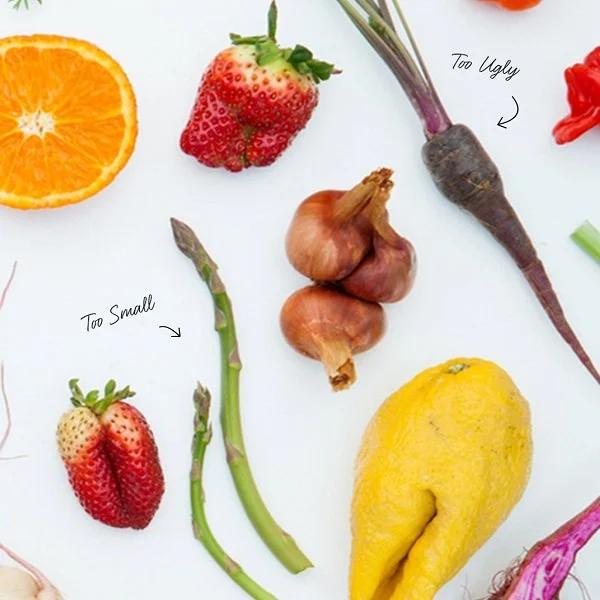
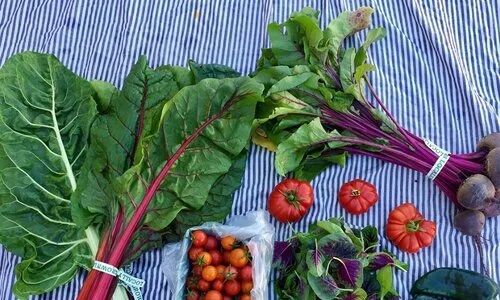
Sometimes the answer to the perpetual question of what’s for dinner? comes not from a recipe or a shopping list, but from the fruits and veggies languishing in your produce drawer. By embracing the idea of cooking what’s often called “root-to-shoot” – or getting experimental with the stems, roots, cores, peels, and imperfect parts that might end up in the compost, we can reduce food waste and mitigate climate change. Turning a produce-drawer clean-out into a meal when provisions are running thin is a kind of tame, hyper-local version of dumpster diving.

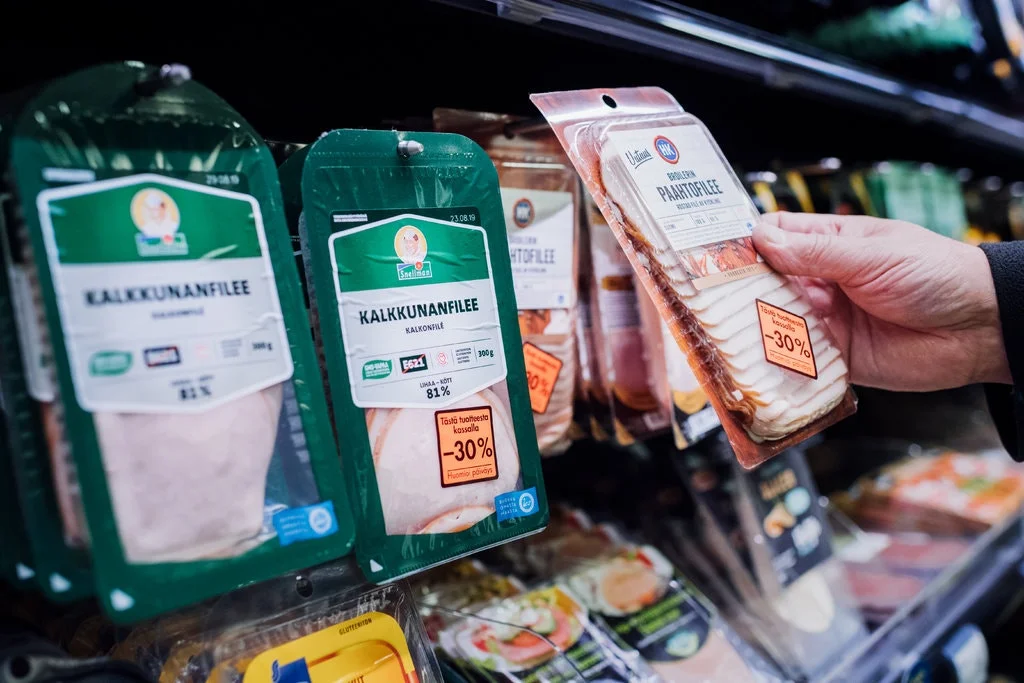
While US food chains have improved over the last year, they still have a long way to go to mitigate the nearly 133 billion pounds of food wasted each year. European grocers are taking creative and political steps to lower their waste. Here are a few ways you can help solve this problem at home.


