
SUSTAINABLE Gardening Center
Growing plants by mimicking nature’s best practices.
BACKYARD GARDENING
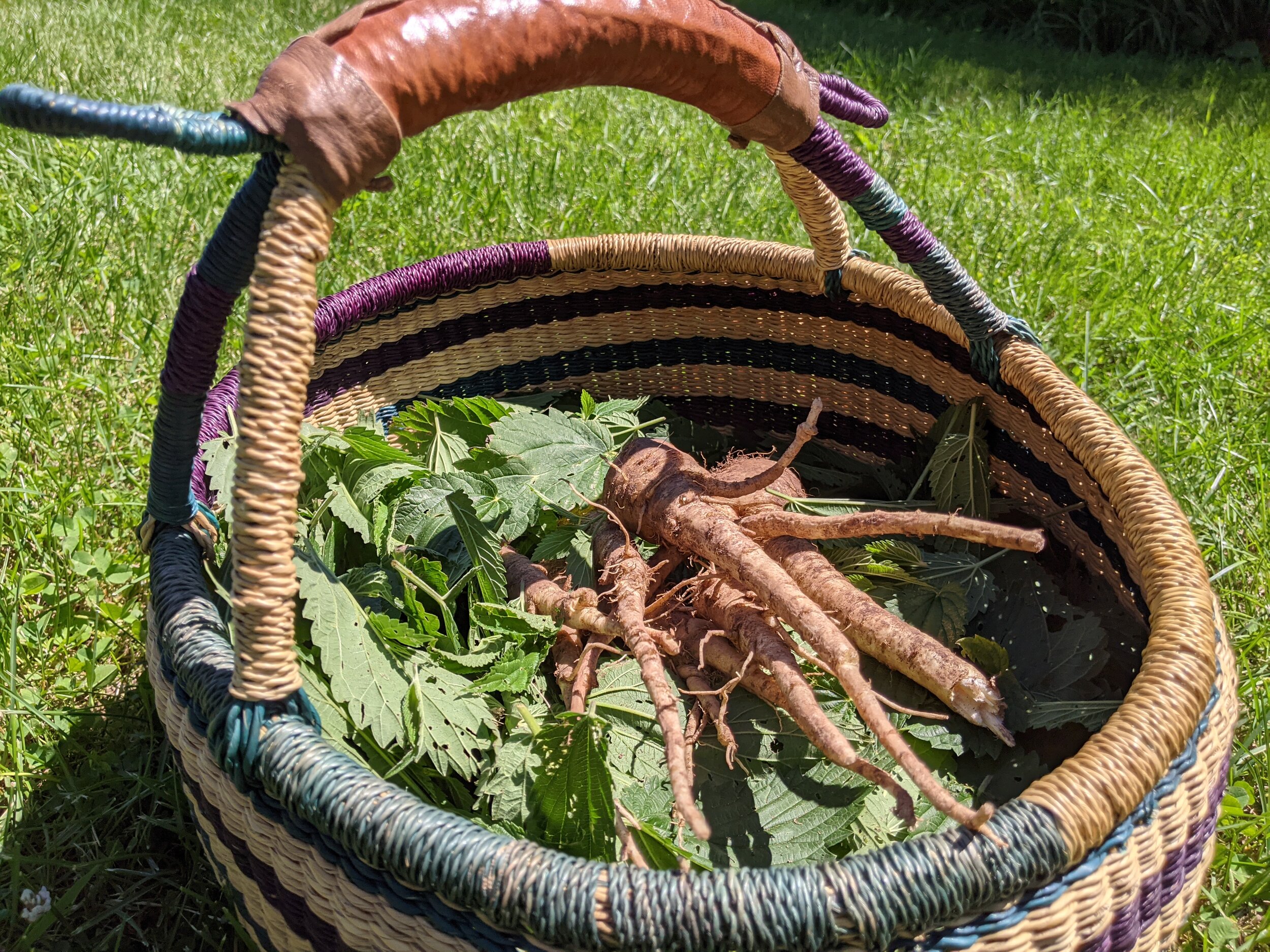


I’m not alone in my admiration for strawberries. In ancient Rome, the strawberry symbolized Venus, the Goddess of Love, because of its heart shape and color. In medieval times, stone masons carved strawberries on altars and churches because they symbolized perfection and righteousness. Much more recently—last month, in fact—strawberries have become my ticket to sanity, a means of dealing with the stress of the ongoing pandemic.
BEES & POLLINATORS

Butterflies and bees tend to get top billing when it comes to identifying pollinators, likely because people tend to be less enthusiastic about wasps, moths, and flies. But these creatures also play a vital role in helping plants reproduce. Learning to identify them, and where they like to get their pollen, is an important part of supporting them.

The “king of butterflies" is rapidly disappearing. In just the last 20 years, the monarch butterfly population has declined by 85 percent in this country—and the numbers are even worse in the West, which has seen a 99 percent drop in numbers.

A healthy Honey Bee population contributes to our health and environment in many ways, not least of which is the way they pollinate fruits, vegetables, and nuts. But Honey Bees, which were domesticated and brought from Europe in the 17th century and have been intentionally managed since, aren’t the only pollinators out there. Often left out of the conversation are the countless other bee species that make your juicy late summer tomato dreams a reality.

Spring is nature’s way to renew itself, and bees are no different. By springtime, the honey stores bees feed on are dwindling along with the numbers of bees, which means there’s much to do to prepare for summer.
ORGANIC PEST SOLUTIONS
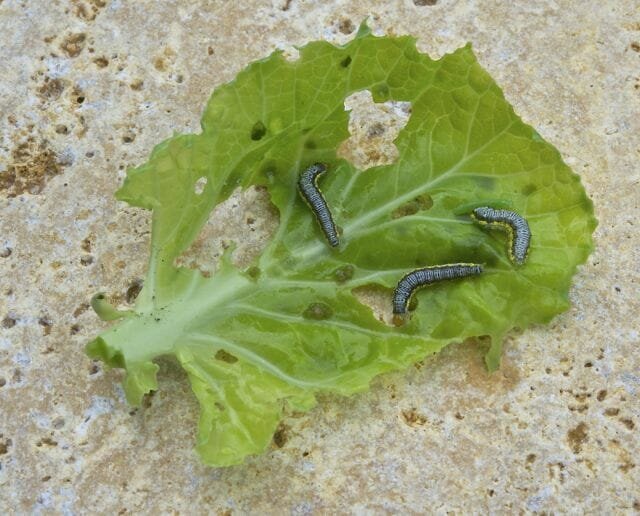
To protect your garden against pests it helps to know who they are, because not all bugs and insects are bad. Bees pollinate your plants, for instance, and spiders eat up several of the bugs that can spoil a garden. To help you sort it all out, I've put together a quick intro to the pests you don't want hanging around in your garden, and tips on how to keep them away. For specific guidance on how to treat pests with soap, Neem oil, and other organic repellants, read How to manage pests organically.

Organic and sustainable ways to keep pests at bay. It's important to cultivate a diverse, native-to-your-region garden. Doing so will support healthy growth, and the healthier your plants, the less likely they’ll send out the distress signals that invite trouble, because pests tend to feed on the most vulnerable plants.

Pest populations can explode even if you keep your soil healthy and maintain a balanced garden ecosystem. Organic gardeners shy away from using pesticides for some very good reasons. Sprays can kill beneficial bugs and insects, like the bees that pollinate your raspberries or the insects that cycle nutrients through your soil. Pesticides also find their way into the food chain because plants absorb chemicals through roots and leaves. Fortunately you can mitigate the risk of using pesticides by relying on ones certified for organic use, which tend to be derived from plants or bacteria.

Pest populations can explode even if you keep your soil healthy and maintain a balanced garden ecosystem. Pest management is a natural part of growing plants and occasionally gardeners need to rely on external control measures like spraying pesticides. Organic gardeners shy away from using pesticides for some very good reasons. Sprays, particularly if they are not organic, can kill beneficial bugs and insects, like the bees that pollinate your raspberries or the insects that cycle nutrients through your soil. Pesticides also find their way into the food chain because plants absorb chemicals through roots and leaves. Fortunately you can mitigate the risk of using pesticides by relying on ones certified for organic use, which tend to be derived from plants or bacteria.
SOIL HEALTH, MULCH & COMPOST
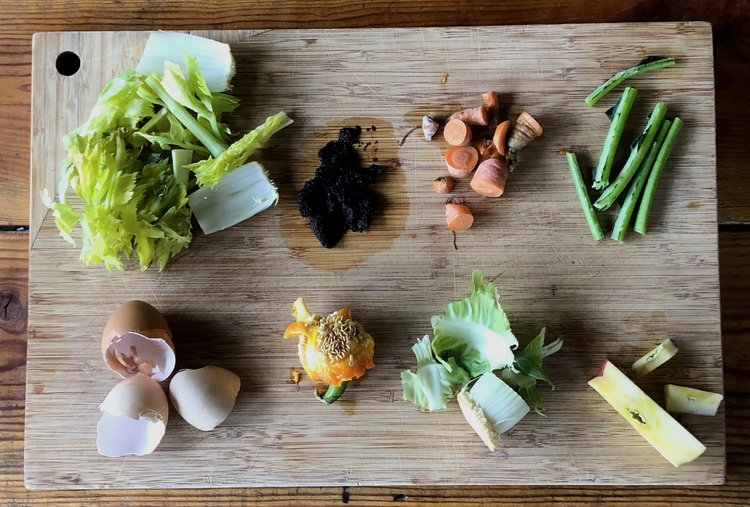
You may have heard of people composting their kitchen scraps and thought, gee, I wish I could compost, but I live in an apartment. Or maybe, I’d like to try composting, but my roommate is... skeptical. Well, have no fear, I’m here to tell you that you can compost even if the space you live in is tiny, located in an urban high-rise, or shared with an unenthusiastic roommate.

When I first started growing food, the farm I managed in the Pacific Northwest had patches of sandy, dry soil interspersed with waterlogged, hard packed clay. During the scorching hot summers, my thirsty plants shriveled. When the skies dumped rain the water pooled, flooding my crops. Those first couple of years on the farm were my first experience dealing with climate extremes, and my soil was not equipped for the job.

Spreading mulch is one of my favorite farm chores. I love the way mulch smells and feels and looks. That moment my pitchfork pierces the heaping mound of leftover grass and leaves and steam spirals up into the cool morning air. The way the strong, lingering scent of cedar follows me home after a day spent spreading wood chips. The satisfying look of a tidy, weed-free field after I’ve laid down a sea of straw to cover the endless rows of potatoes and garlic. I even appreciate the sogginess of cardboard left out in the rain before it’s used to fight weeds along my garden paths.

When I got out of bed this morning I checked the weather report. It’s the first thing I do every day. When you grow food, the weather assumes a make-or-break urgency that defines your life. It also forever changes the way you relate to a forecast. I never hear “early frost” without worrying it could interrupt my ripening tomatoes, or “heat spike” without fretting over wilting spinach.
CONTAINER GARDENING
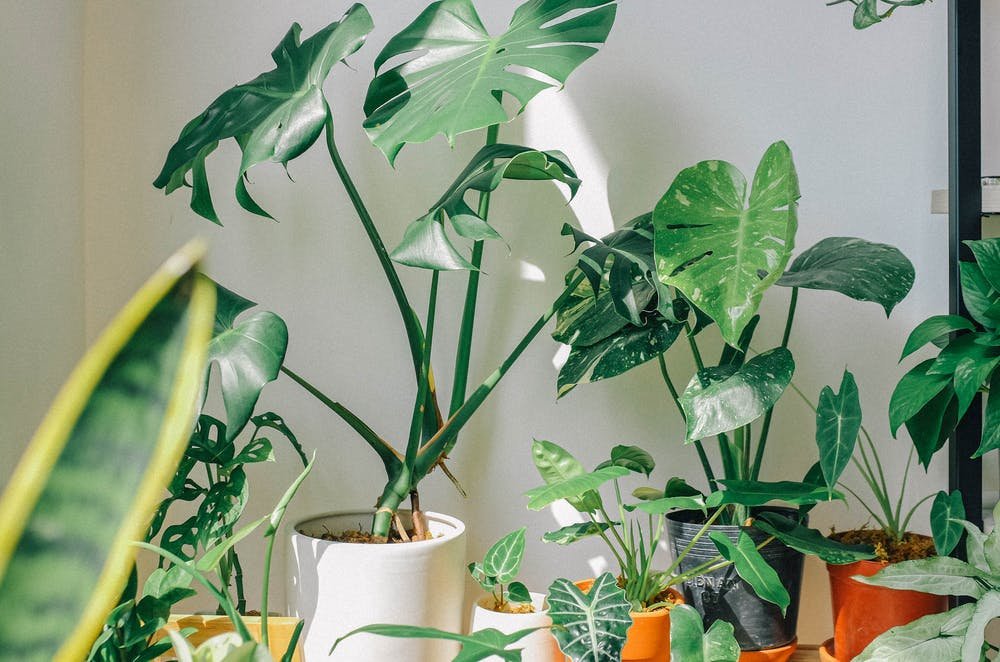
We all love houseplants, but little know of the dirty secret that lies in their pots: peat.
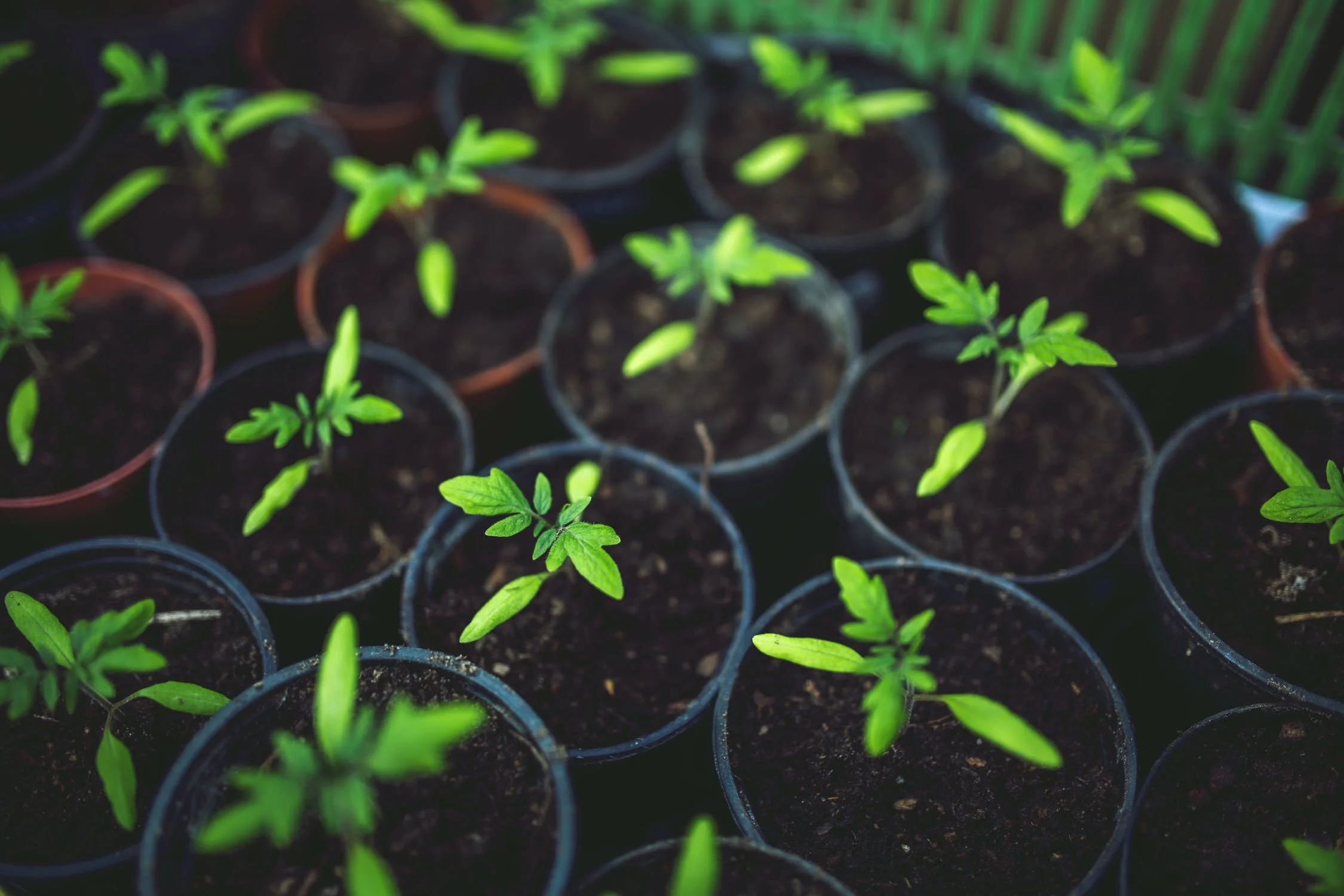

I had to find some way to keep myself sane and building a healthier food system that could help us mitigate and adapt to climate change... seemed like hopeful work.
I’m not alone in my admiration for strawberries. In ancient Rome, the strawberry symbolized Venus, the Goddess of Love, because of its heart shape and color. In medieval times, stone masons carved strawberries on altars and churches because they symbolized perfection and righteousness. Much more recently—last month, in fact—strawberries have become my ticket to sanity, a means of dealing with the stress of the ongoing pandemic.
LAWNS TO MEADOWS
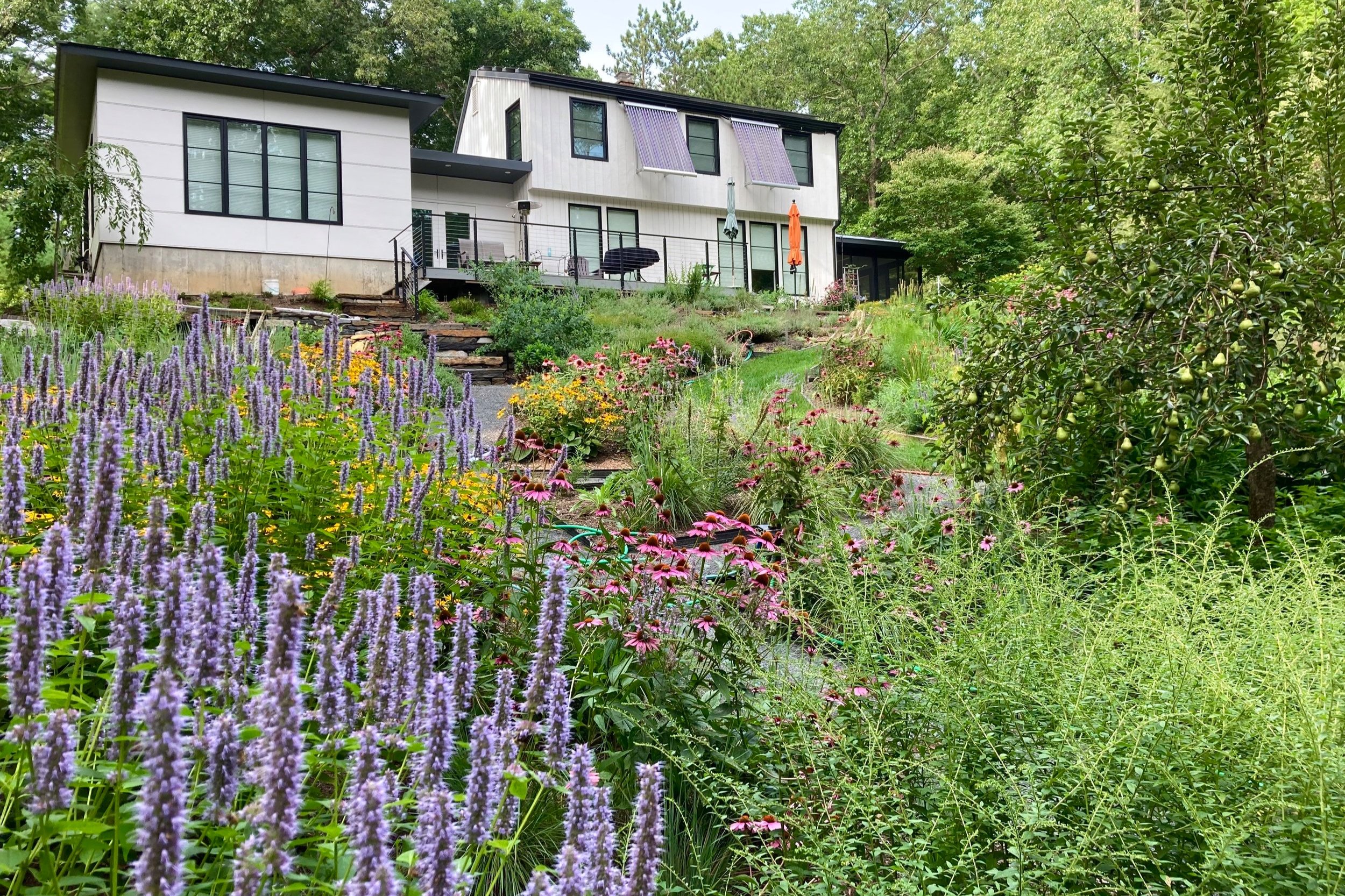


On a wet, overcast day in late October three years ago, volunteers planted a meadow garden in a retirement community near where I live in western Massachusetts. Using trowels and digging knives, they planted live perennial plugs into moist soil with the color and texture of a fluffy chocolate cake.

I fell hard for gardening in my early 20's. I had just fled too-urban New York City for a rental house in Oakland, and was thrilled by the trees and space and flowers. My first garden was teeny, just a patch of dirt out front. But 30 years later I had a house and a yard divided into what I consider rooms, which means each section has its own feel.
GROWING GUIDES FOR VEGETABLES, FRUITS & HERBS

Vivamus pellentesque vitae neque at vestibulum. Donec efficitur mollis dui vel pharetra.

Praesent id libero id metus varius consectetur ac eget diam. Nulla felis nunc, consequat laoreet lacus id.

Donec id justo non metus auctor commodo ut quis enim. Mauris fringilla dolor vel condimentum imperdiet.

Commodo cursus magna, vel scelerisque nisl consectetur et. Donec id elit non mi porta gravida at eget metus.

Lorem ipsum dolor sit amet, consectetur adipiscing elit. Vestibulum id ligula porta felis euismod semper.


Sed purus sem, scelerisque ac rhoncus eget, porttitor nec odio. Lorem ipsum dolor sit amet.

Vivamus pellentesque vitae neque at vestibulum. Donec efficitur mollis dui vel pharetra.

Praesent id libero id metus varius consectetur ac eget diam. Nulla felis nunc, consequat laoreet lacus id.

Donec id justo non metus auctor commodo ut quis enim. Mauris fringilla dolor vel condimentum imperdiet.

Commodo cursus magna, vel scelerisque nisl consectetur et. Donec id elit non mi porta gravida at eget metus.

Lorem ipsum dolor sit amet, consectetur adipiscing elit. Vestibulum id ligula porta felis euismod semper.
Sed purus sem, scelerisque ac rhoncus eget, porttitor nec odio. Lorem ipsum dolor sit amet.
Vivamus pellentesque vitae neque at vestibulum. Donec efficitur mollis dui vel pharetra.
Praesent id libero id metus varius consectetur ac eget diam. Nulla felis nunc, consequat laoreet lacus id.
Donec id justo non metus auctor commodo ut quis enim. Mauris fringilla dolor vel condimentum imperdiet.
Commodo cursus magna, vel scelerisque nisl consectetur et. Donec id elit non mi porta gravida at eget metus.
Lorem ipsum dolor sit amet, consectetur adipiscing elit. Vestibulum id ligula porta felis euismod semper.
Sed purus sem, scelerisque ac rhoncus eget, porttitor nec odio. Lorem ipsum dolor sit amet.
Vivamus pellentesque vitae neque at vestibulum. Donec efficitur mollis dui vel pharetra.
Praesent id libero id metus varius consectetur ac eget diam. Nulla felis nunc, consequat laoreet lacus id.
Donec id justo non metus auctor commodo ut quis enim. Mauris fringilla dolor vel condimentum imperdiet.
Commodo cursus magna, vel scelerisque nisl consectetur et. Donec id elit non mi porta gravida at eget metus.
Lorem ipsum dolor sit amet, consectetur adipiscing elit. Vestibulum id ligula porta felis euismod semper.
Sed purus sem, scelerisque ac rhoncus eget, porttitor nec odio. Lorem ipsum dolor sit amet.
Vivamus pellentesque vitae neque at vestibulum. Donec efficitur mollis dui vel pharetra.
Praesent id libero id metus varius consectetur ac eget diam. Nulla felis nunc, consequat laoreet lacus id.
A Climate Victory Garden is grounded in the carbon-sucking principles of regenerative agriculture, which uses practices that mimic nature. Regenerative farmers basically allow plants to work their magic, and keep more carbon in the ground, by practicing minimal tilling, planting a mix of crops, keeping roots in the ground year round, and shoveling on lots of organic material. So what does this mean for the backyard gardener? It boils down to this: make soil-building the priority before you plant your garden, and afterwards. So, want to do something, anything, for the planet? Here are a few tips for starting your own Climate Victory Garden.