

growing pERENNIAL FOODS
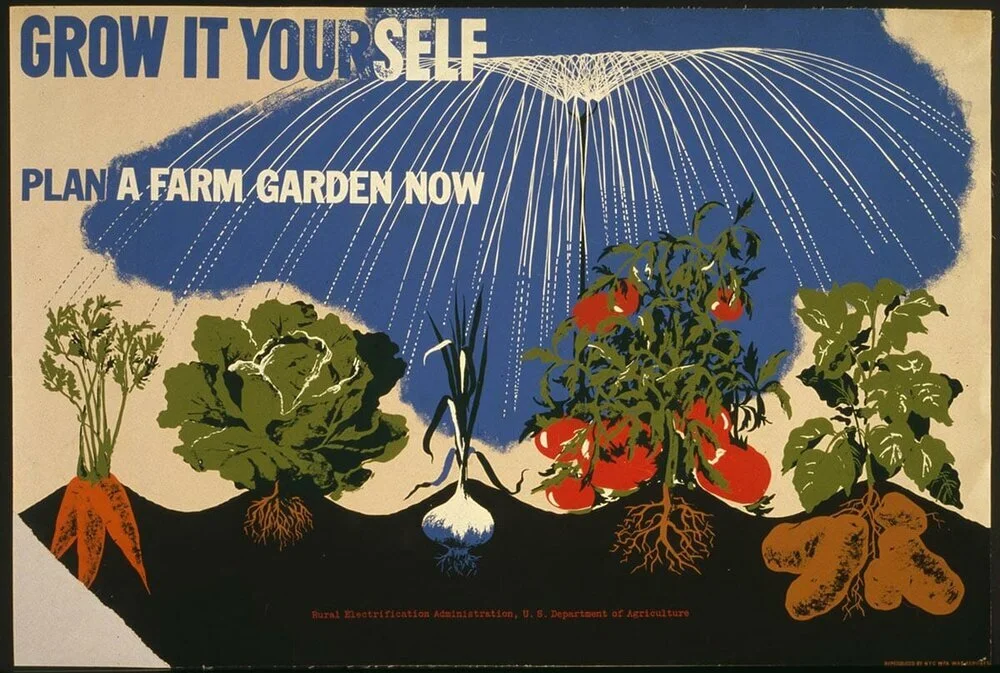
The resurgence of Victory Gardens is more than a simple trend—it’s exciting and meaningful. The last time a community of citizen gardeners joined together on such a broad scale, empowered to grow our own food and stand as one to rouse positive change, was during World War II, when nearly 20 million Victory Gardens grew up in backyards and patches of land all over the country.

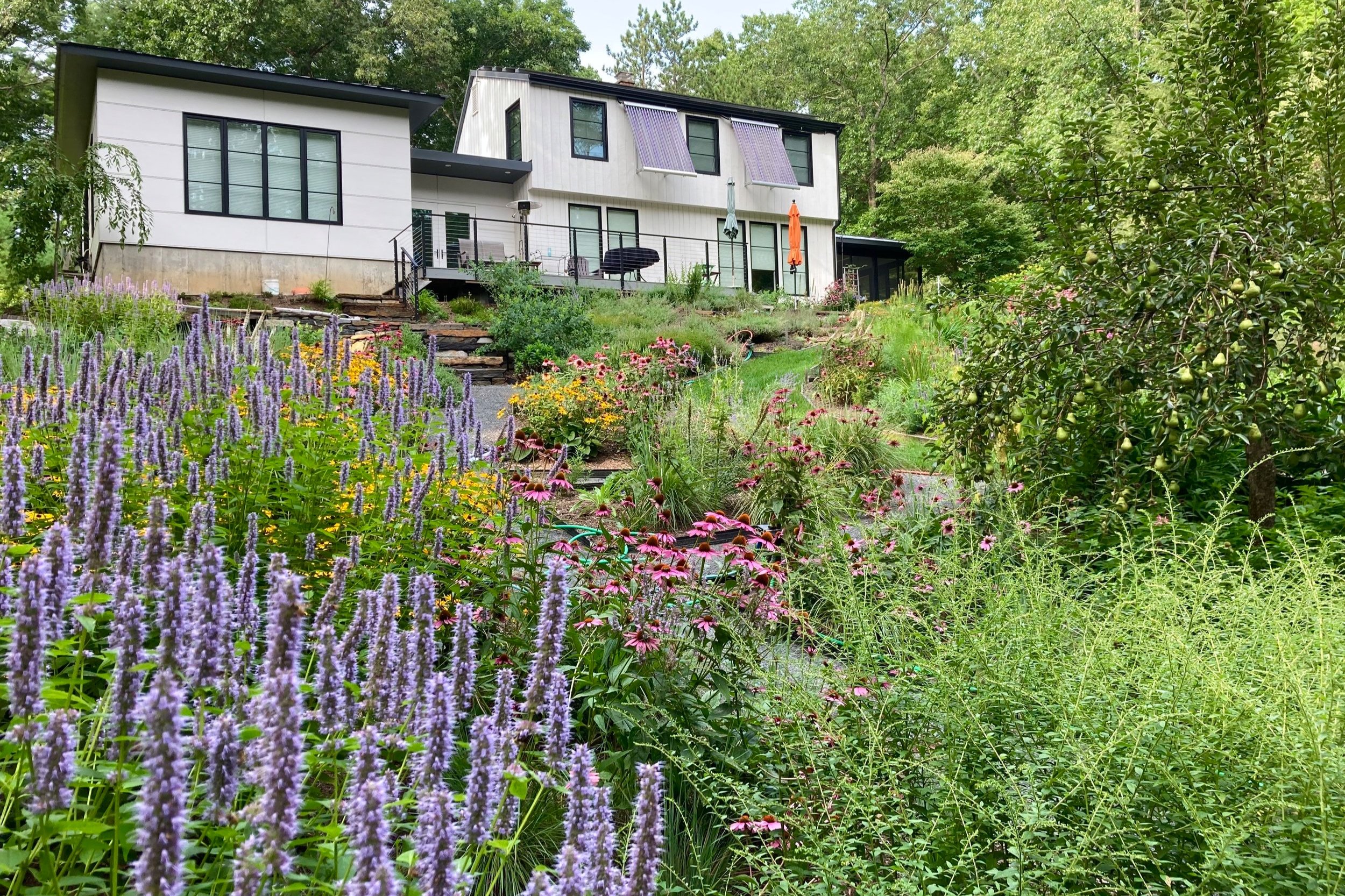
Victory Gardens have emerged again with the promise of food, comfort, and solidarity. But today’s Victory Garden is the Climate Victory Garden. Using organic, regenerative methods, even a tiny garden can play an important role in the carbon capture movement.
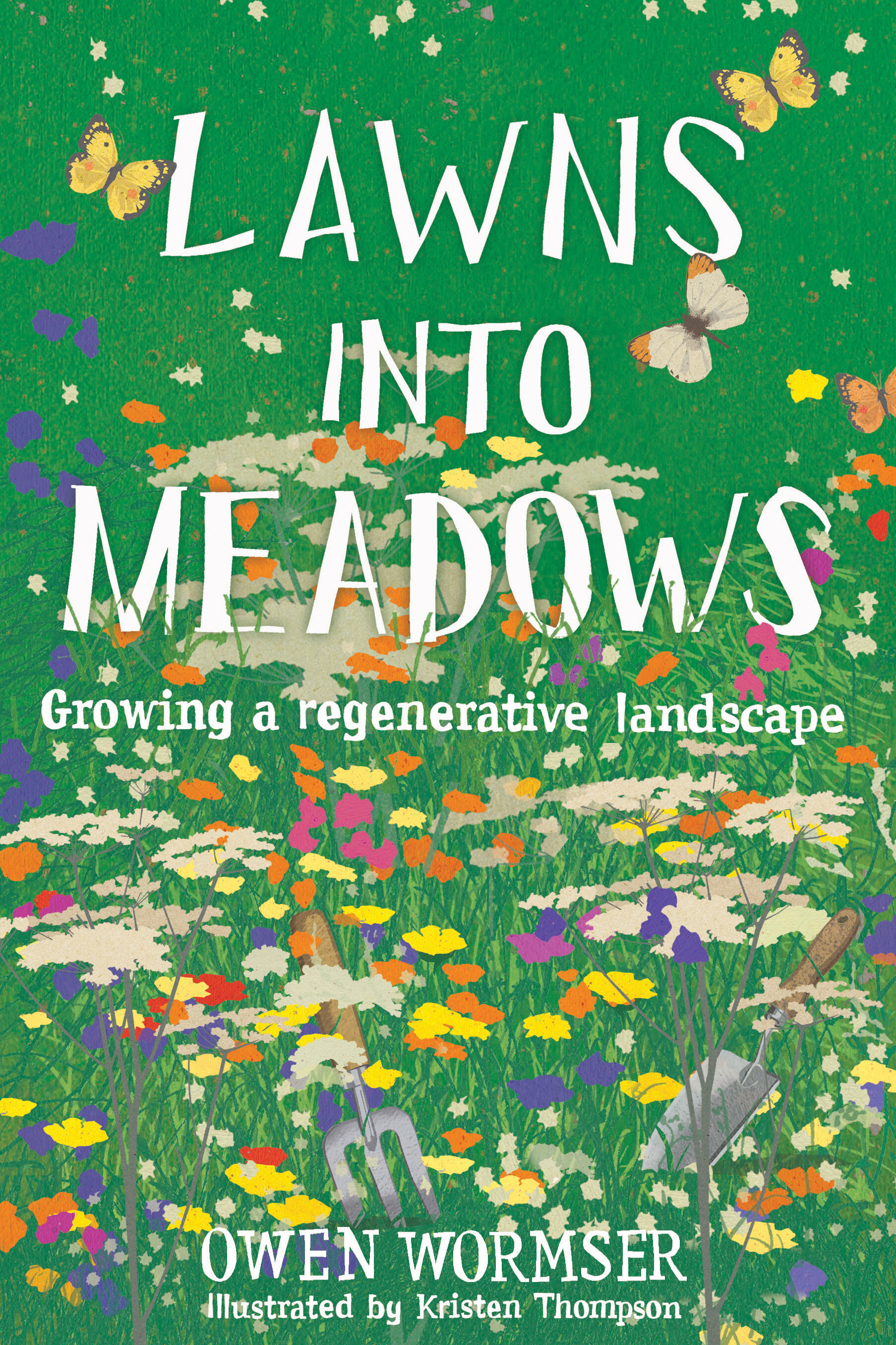
To make it easier to grow your own regenerative foodscape or landscape, we publish gardening books, veggie growing guides, and gardening tips. We can do this.
OUR CITIZEN GARDENING BOOKS



VICTORY GARDENING INSTRUCTIONS
Victory garden expert, Acadia Tucker, writes about how to grow your own food in a way that’s good for the planet. Here’s how to get started.

Introduction

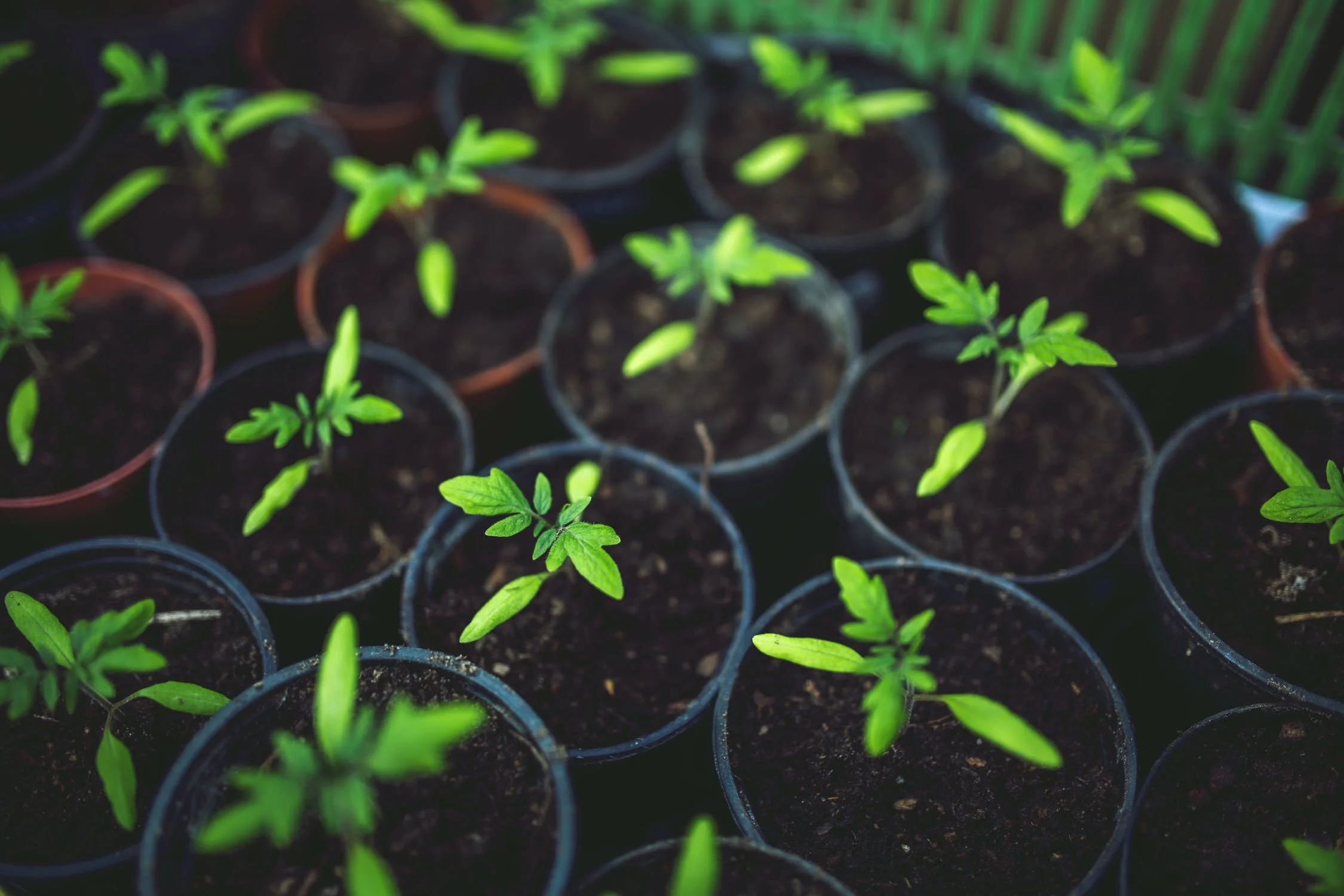
Start your seeds

Clear your plot

Build your bed

Plant your garden

Keep it going
HOW TO GROW
MORE ABOUT VICTORY GARDENING







OUR EXPERTS

Acadia Tucker is a regenerative farmer, climate activist, and author. Her books are a call to action to citizen gardeners to plant climate victory gardens for the good of the planet. Acadia grew 200 different food crops for a market garden in Washington State before heading back to school for a Masters in Land and Water Systems at the University of British Columbia. She lives and farms in Maine, and is the author of Growing Perennial Foods: A field guide to raising resilient herbs, fruits, & vegetables, Growing Good Food: A citizen’s guide to climate victory gardening, and Tiny Victory Gardens: Growing good food without a yard.
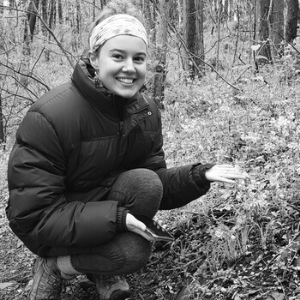
Emily Castle is an environmental horticulturist in Pennsylvania who’s passionate about all things plants. After earning a degree in Environmental Studies, she joined an arboretum in Maryland to map their plant collections and design a garden using the regenerative principles of permaculture. While propagating natives for conservation and research, she developed a knack for taking care of plants in pots. Her first book is Tiny Victory Gardens: Growing good food without a yard, written with Acadia Tucker.
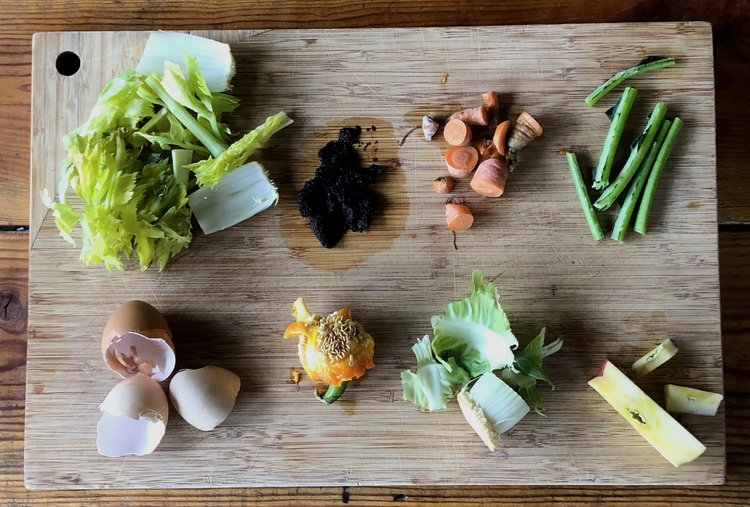
A Climate Victory Garden is grounded in the carbon-sucking principles of regenerative agriculture, which uses practices that mimic nature. Regenerative farmers basically allow plants to work their magic, and keep more carbon in the ground, by practicing minimal tilling, planting a mix of crops, keeping roots in the ground year round, and shoveling on lots of organic material. So what does this mean for the backyard gardener? It boils down to this: make soil-building the priority before you plant your garden, and afterwards. So, want to do something, anything, for the planet? Here are a few tips for starting your own Climate Victory Garden.